Identify the material
Start with the exact label, chemical or sequence identifier, stated quantity, and current lot—not a familiar shorthand alone.
ANALYTICAL INTELLIGENCE · OPEN LIBRARY
An image-rich research library for understanding laboratory materials and reading analytical evidence without overstating what it can prove.
Ownership disclosure: GG Labs Research is owned and funded by Golden Goose Labs. Catalog profiles cover selected materials sold by the owner.
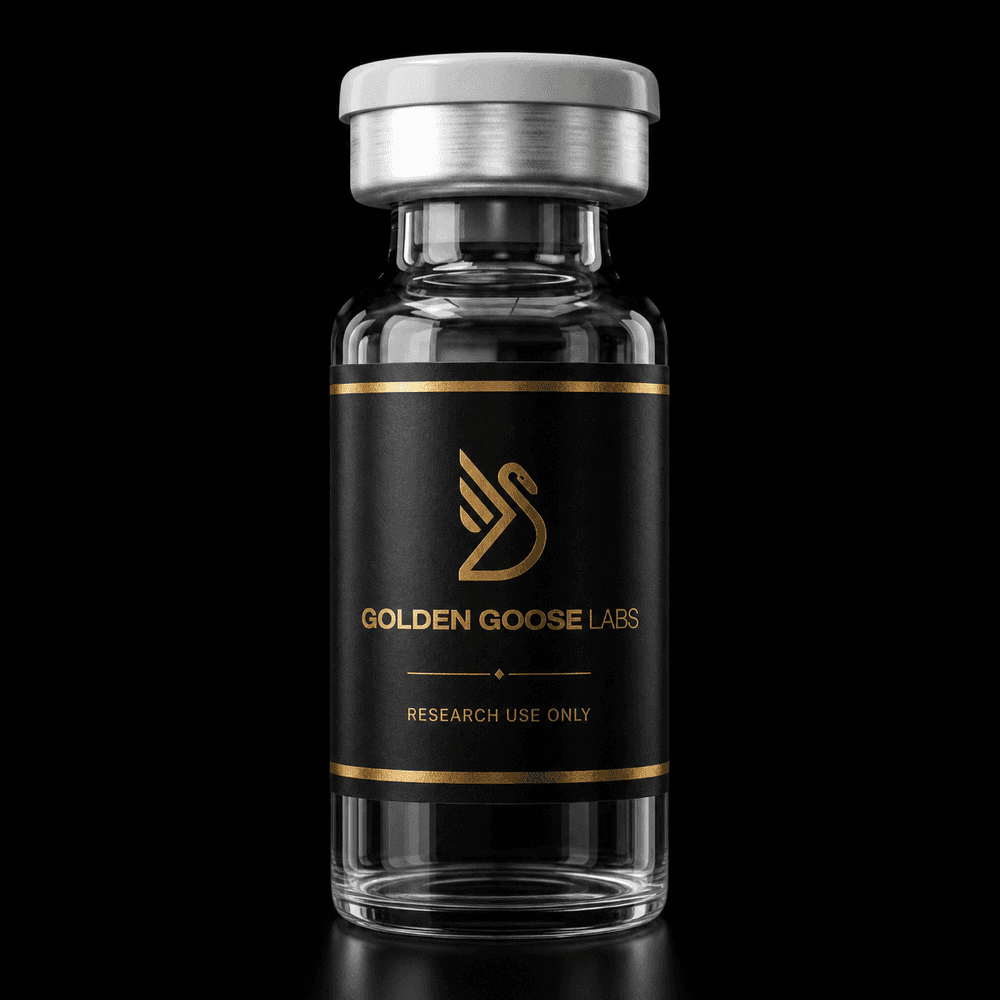
GENERIC REFERENCE VIAL · NOT PRODUCT-SPECIFICOpen the affiliated catalog research desk →
Prefer primary standards, technical guidance, and clearly attributed sources.
Separate what a test measures from what readers may be tempted to infer.
Our Golden Goose Labs affiliation is visible, permanent, and never presented as independence.
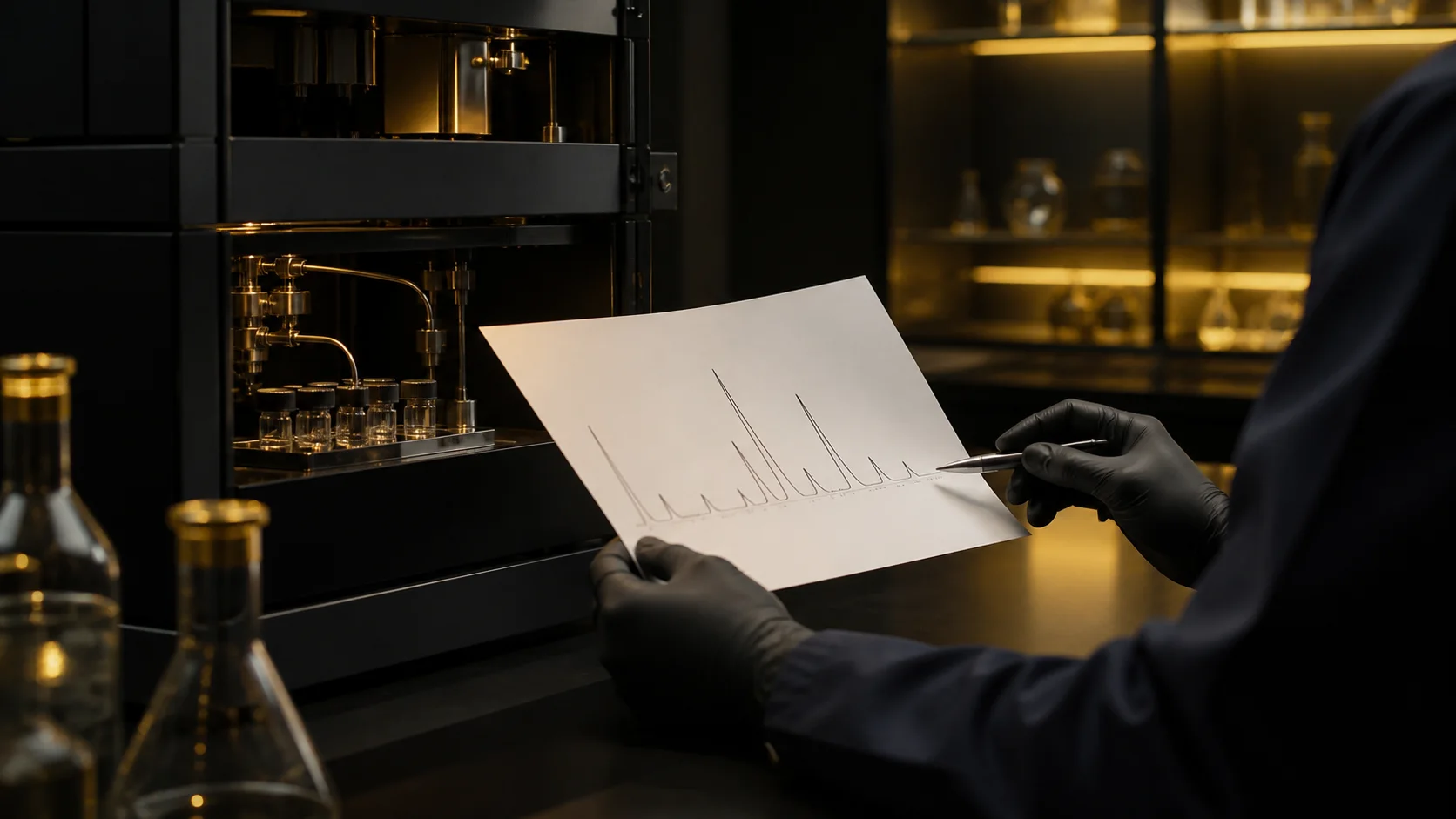
A PRACTICAL EVIDENCE WORKFLOW
Credible review is not a badge hunt. It is a disciplined path from the material in front of you to the sample, method, result, and limits recorded behind it.
Read our methodology →THE REVIEW PATH
Use this framework on a COA, a catalog listing, or a lot-specific document. Missing evidence stays visibly missing.
Start with the exact label, chemical or sequence identifier, stated quantity, and current lot—not a familiar shorthand alone.
Match the vial, order record, lot identifier, sample submission, and laboratory report into one inspectable chain.
Ask what the procedure measures, whether it is fit for the matrix and range, and which claims it cannot answer.
Keep units, uncertainty, detection capability, chromatograms, acceptance criteria, and limitations attached to the number.
READER TOOLKIT
A line-by-line framework for checking scope, sample identity, method, result, dates, and traceability.
Open guide ↗LOT-MATCH CHECKLISTA practical route from the physical vial to the report, including identifiers, sampling provenance, and custody gaps.
Open guide ↗PURITY CLAIM DECODERUnderstand what a 99% chromatographic result can support—and the identity, quantity, and screening questions it leaves open.
Open guide ↗METHOD LITERACYSeparate method reputation from demonstrated fitness in the actual laboratory, matrix, instrument, and working range.
Open guide ↗WHAT A NUMBER CANNOT TELL YOU
A chromatographic percentage, a mass result, and a quantity determination answer different questions. Strong documentation keeps those answers separate, ties each to an appropriate method, and identifies the lot and sample actually tested.
MATERIAL PROFILES
Vendor catalog identity review
RTA-3 is a Golden Goose Labs vendor catalog designation. This page does not assert a molecular identity for that designation; it documents the questions needed to connect the pictured label, a current lot, and inspectable analytical records.
Open documentation profile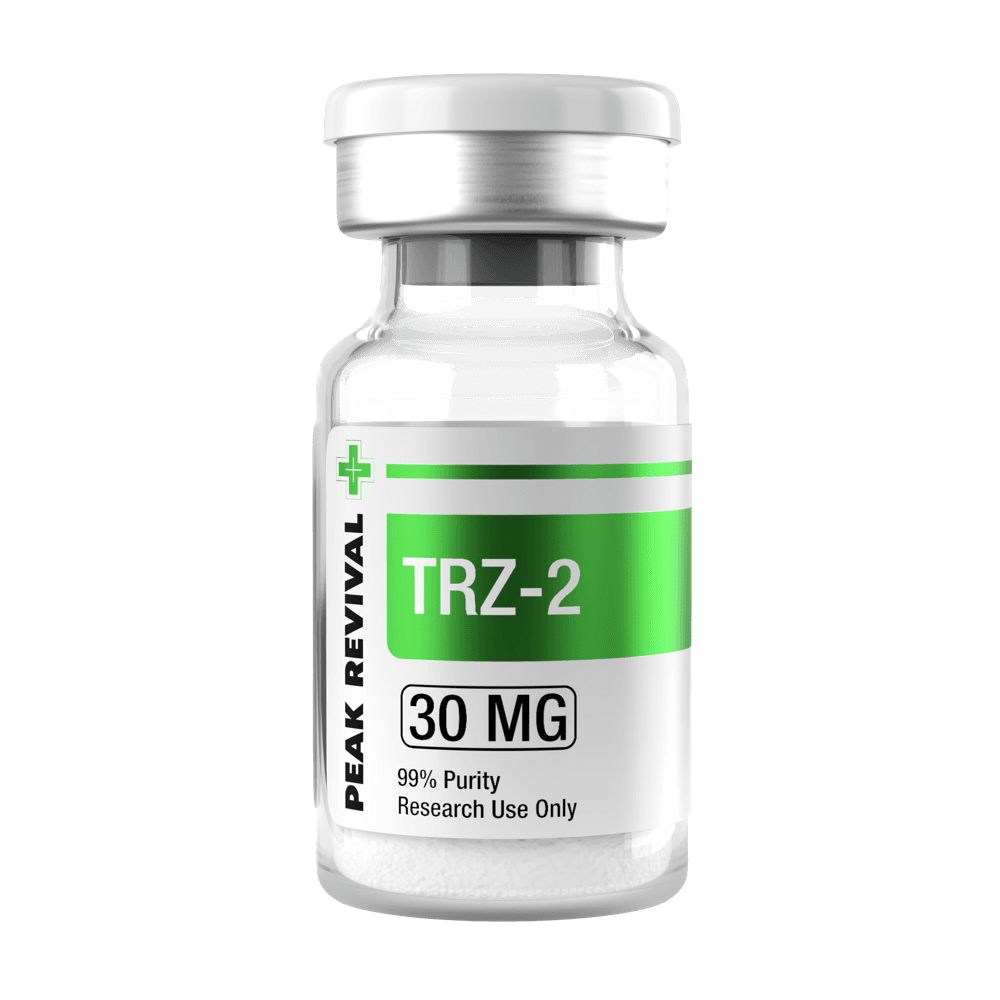
Vendor catalog identity review
TRZ-2 is a Golden Goose Labs vendor catalog designation. A short catalog name is not a sufficient scientific identifier, so this profile keeps the pictured product record separate from any literature entity until documentation establishes equivalence.
Open documentation profile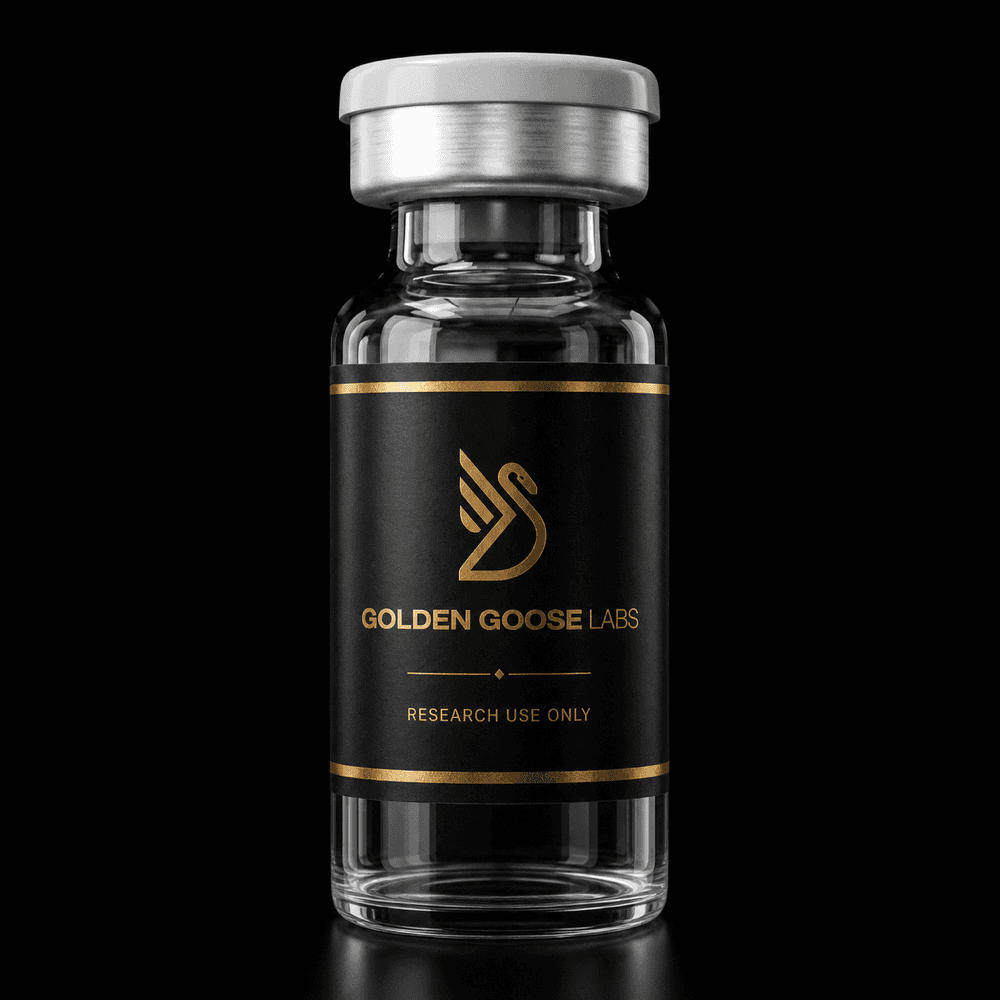
Analytical documentation review
This page covers the Golden Goose Labs item labeled BPC-157. It does not assume that a familiar name establishes sequence identity, composition, or equivalence to material described elsewhere.
Open documentation profileTESTING EXPLAINERS
Learn which questions a certificate can answer, which it cannot, and how to assess whether the reported evidence matches the claim.
Read analysisA practical distinction between establishing performance characteristics and confirming that an adopted method performs as intended.
Read analysisUnderstand uncertainty, detection capability, reporting limits, and why ‘not detected’ needs context.
Read analysisA practical, non-medical framework for checking whether a research peptide vial can be credibly linked to a certificate of analysis.
Read analysisAn evidence-led explanation of peptide purity claims, HPLC area percentages, identity testing, and the questions a 99% result leaves open.
Read analysisAFFILIATION, DISCLOSED
GG Labs Research is owned, funded, and operated by Golden Goose Labs. Commercial links are visibly identified and remain secondary to educational content.